A home diagnostic collection passes through several hands and systems: a request is created, a phlebotomist receives an assignment, a sample is collected, a handoff takes place and the laboratory records receipt. Paper forms and status updates can leave gaps between these events. A digital chain of custody aims to make those handoffs visible, with enough context to investigate a delay or discrepancy without pretending that a tracking record proves the sample’s clinical suitability.
Model the handoffs before choosing the technology
Draw the actual process from order creation to lab receipt. Identify who creates the request, who confirms patient and address details, who performs the pickup, how a sample is labeled, where it is handed over and which system records receipt. The workflow may vary by test, location or operating model, so avoid designing around a single idealized path.
Each handoff should have a clear event: assigned, accepted, arrived, collected, transferred and received, for example. The event needs a timestamp, responsible role and reference that links it to the request and sample. Some events may also use a location check or photo, depending on the organization’s policy. Keeping the status names precise prevents “collected” from being used to mean both “picked up from the home” and “received by the lab.”
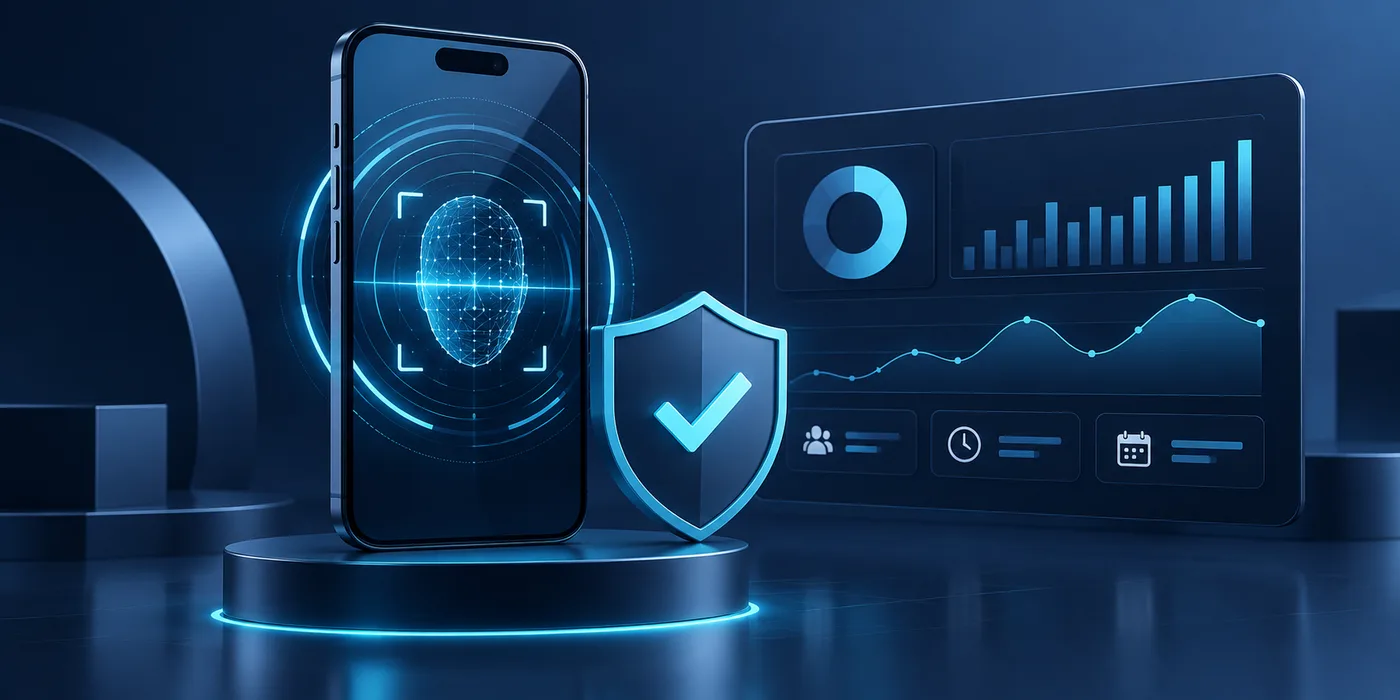
The healthcare brochure provided for this project emphasizes GPS-tracked pickup routes, geofenced patient locations, digital handoff proof and OCR for lab request forms. These capabilities can support operational traceability. They do not replace specimen labeling rules, laboratory acceptance criteria or clinical judgment, which remain governed by the relevant healthcare process.
Make the pickup record useful to the next person
At assignment, the phlebotomist needs the visit details and the work expected. At the pickup, the record should confirm the visit and capture the required collection status. A route view can help dispatchers coordinate multiple appointments, but the system should show whether a route is planned, in progress or completed rather than presenting a line on a map as proof of service.
Geofencing can add context to a check-in by showing that a device was near the expected address. Location is not infallible: indoor reception can be weak, maps can be imprecise and devices can be shared or offline. Provide a correction or exception path for cases where a valid pickup cannot be recorded automatically. The review should preserve the original event and why the record was amended.
The next handoff matters just as much. If samples are transferred to a courier, collection center or lab team, capture the receiving role and time. Where an organization uses a container, batch or transport run, link it to the individual sample references. The goal is a timeline that lets an authorized person see where a delay occurred without exposing unrelated patient details to everyone involved.
Keep document capture attached to its source
Lab requests and consent forms may arrive on paper or as images. OCR can extract fields such as a test code or patient reference, reducing repetitive re-entry. It should not turn an uncertain extraction into a final clinical record without review. A staff member should be able to compare the proposed values with the source document and correct a missing, ambiguous or misread field.
The review process should distinguish between extraction confidence and operational acceptance. A correctly read field can still be inconsistent with the request or require confirmation. Route exceptions to a role that can resolve them, and record the correction. If a system sends extracted data to a laboratory information system, define what happens when a connection fails or a duplicate submission is detected.
Minimize the information shown on mobile screens. A field worker generally needs enough detail to perform the assigned collection safely and accurately; they may not need a complete patient history. Use access rules and retention settings that match the organization’s policies, and avoid copying sensitive documents into personal messaging channels as a workaround.
Make exceptions visible without creating alert fatigue
The workflow can surface events such as a missed appointment window, an unconfirmed handoff or a document that still needs review. Alerts should be assigned to an owner and explain the next step. If everything is marked urgent, staff will learn to ignore the notifications. Use severity levels based on operational consequences and allow teams to tune escalation times to their actual service process.
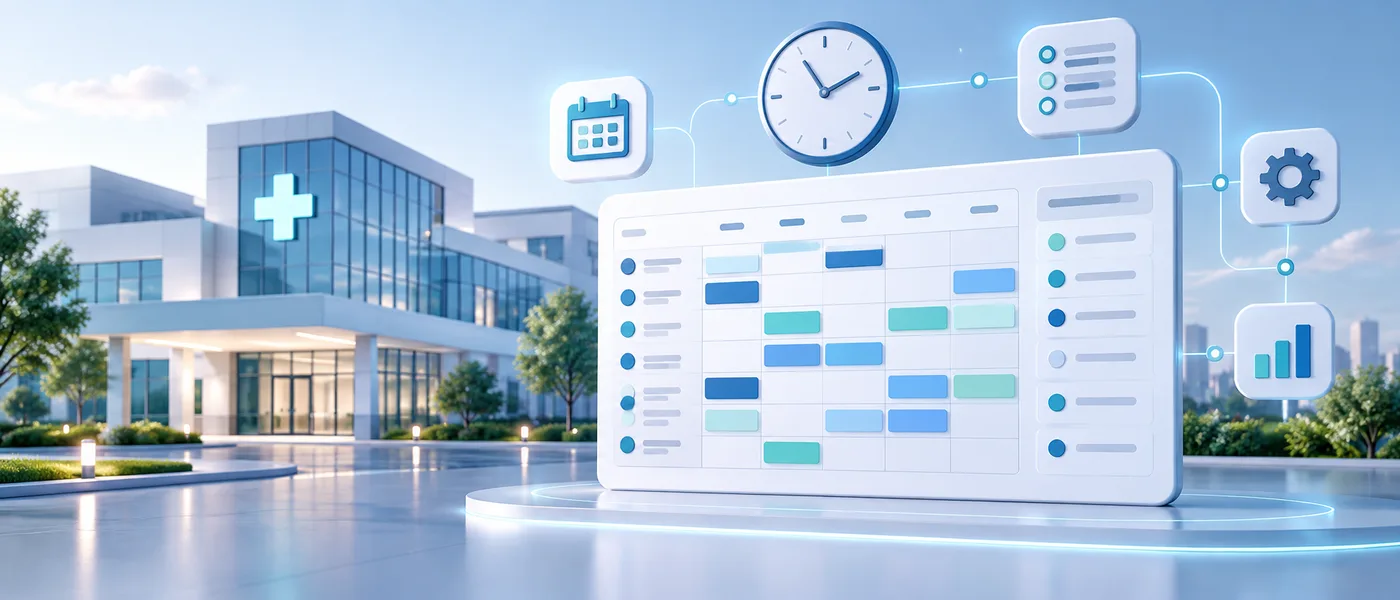
Build a clear exception queue for branch or lab supervisors. Each item should show the request reference, last confirmed event, time since that event and action owner. A supervisor should be able to contact the relevant team, update the status and record a reason. Avoid a dashboard that highlights a red marker but gives no way to resolve it.
Temperature monitoring or other sensor integrations may be relevant to specific sample workflows, but only when the organization has defined the device, calibration, thresholds and response process. A generic alert without a validated measurement and an accountable reviewer can create false reassurance as easily as it can create unnecessary work.
Protect the clinical boundary
An operational platform can organize visits, handoffs and forms. It should not silently decide whether a sample is clinically valid, interpret a result or recommend treatment. Those decisions belong in the clinical and laboratory systems designed for them, with the appropriate professional review. Keep operational status separate from clinical status so a completed pickup is not mistaken for an accepted sample or a completed test.
This distinction is especially important when AI is used for OCR, transcription or summaries. Show that content was machine-generated or extracted, retain a route to the original source and identify who approved it. Generated notes should support documentation, not invent missing details or remove uncertainty from what a clinician or technician observed.
Pilot the full journey
Test the workflow from a real request through pickup, transfer and lab receipt. Include routine appointments, a late visit, poor connectivity, a missing document and a corrected extraction. Ask each role whether they can see the status they need and whether the record can be amended without losing its history. Review the process with clinical, laboratory, operations, IT and privacy stakeholders before expanding it.
Useful operational measures can include the share of requests with a confirmed pickup event, handoffs waiting for acknowledgment, document fields needing correction and time spent resolving an exception. Define each measure and its source. Do not turn them into claims about diagnostic accuracy or patient outcomes unless the organization has separately designed and validated that evaluation.
A clearer operational chain
When request, visit, sample and handoff records are connected, a supervisor can investigate an exception from one timeline instead of searching across unrelated systems. Staff can see what remains to be done, and administrators can identify where the process repeatedly loses information.
Optick’s healthcare material describes mobile visit workflows, location-aware pickup records, document capture and operations dashboards. A deployment should be checked against the diagnostics provider’s existing lab systems, collection standards and data-handling requirements. The central design principle remains the same: record each operational handoff clearly, keep the source available and leave clinical decisions with qualified people.